What is Boost? | Revv.ly Car Culture Glossary
Revv.ly Glossary
Positive air pressure created by a turbocharger or supercharger to increase engine power.
What is Boost?
POWER. That is what boost is. It is the act of forcing more air into an engine than it could possibly breathe on its own, and in doing so, extracting MORE POWER than the engineers ever intended. It is, without exaggeration, one of the greatest achievements in the history of the internal combustion engine.
You see, a naturally aspirated engine can only inhale so much air. It's limited by atmospheric pressure, which at sea level is approximately 14.7 pounds per square inch. The engine sucks in air, mixes it with fuel, explodes it, and pushes out exhaust. Very civilized. Very boring.
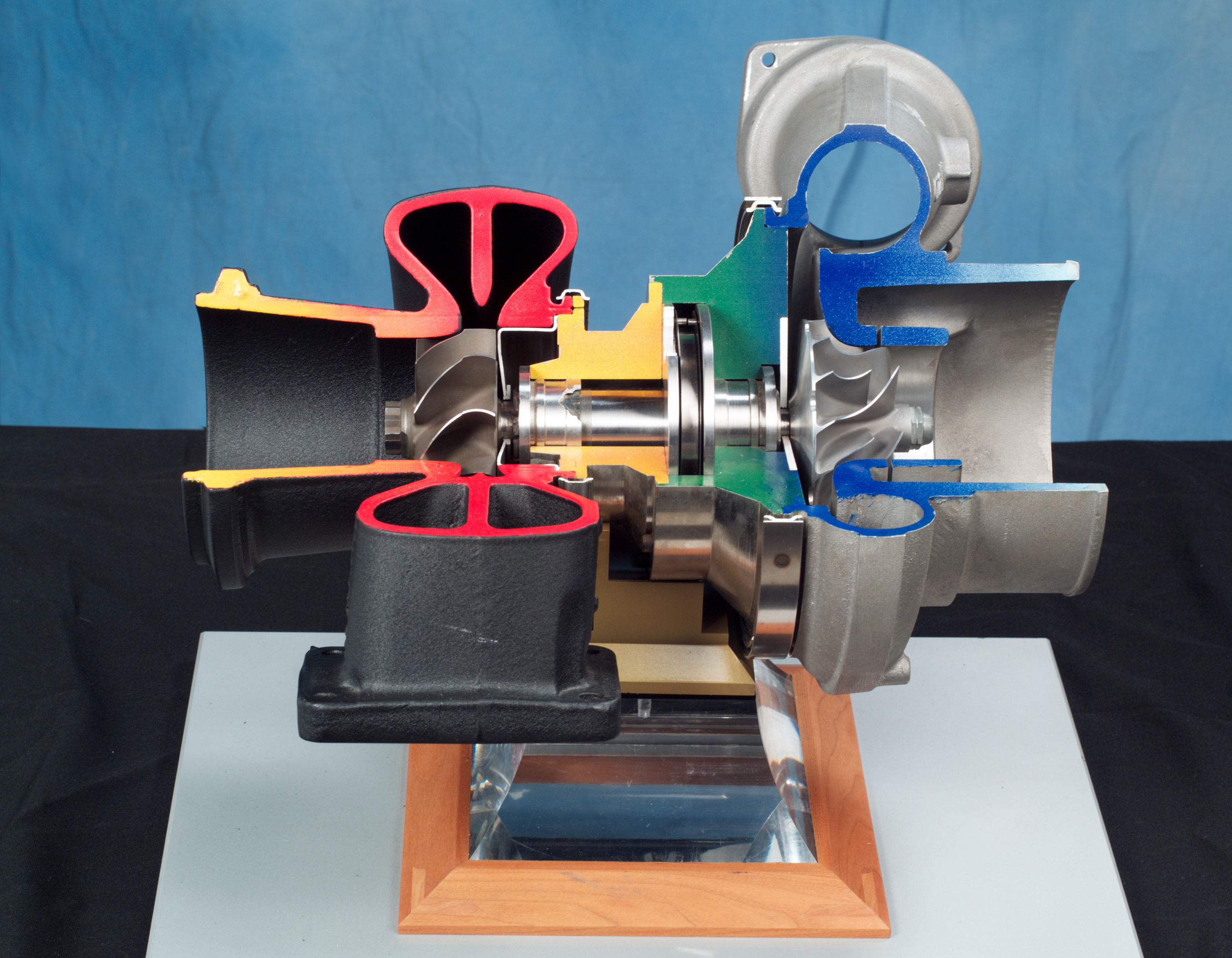
But then someone--some absolute genius--thought: "What if we crammed MORE air in there?" And thus, boost was born. Whether through a turbocharger (using exhaust gases to spin a compressor) or a supercharger (mechanically driven by the engine), the result is the same: positive pressure above atmospheric, measured in PSI or bar, and resulting in SIGNIFICANTLY MORE POWER.
The Numbers Game
When someone says their car runs "15 pounds of boost," they mean the intake manifold pressure is 15 PSI above atmospheric. That's roughly double the air density of a naturally aspirated engine. More air means more fuel can be burned. More fuel burned means more power extracted. It's beautiful, violent mathematics.
A rough rule of thumb suggests that each PSI of boost adds approximately 7% power over baseline. So those 15 pounds? That's potentially doubling the output of the original engine. From a practical family sedan emerges something capable of embarrassing actual sports cars. Magnificent.
The Different Flavors
Turbocharger Boost -- Uses exhaust gas energy to spin a turbine connected to a compressor. The advantage is efficiency--you're recycling waste energy. The disadvantage is lag--the time it takes for exhaust flow to spool the turbo. Modern turbos have largely solved lag through clever engineering: twin-scroll designs, variable geometry turbines, ball-bearing center sections. The result is boost that arrives with almost supercharger immediacy but supercharger-beating efficiency.
Supercharger Boost -- Mechanically driven by a belt from the crankshaft. Immediate response because it's directly connected to engine speed. The trade-off is parasitic loss--the engine must power the compressor, which costs efficiency. But when the throttle opens and the blower whines and boost builds instantly with RPM, questions of efficiency seem rather beside the point.
Electric Boost -- The newest approach. Electrically driven compressors eliminate lag at low RPM, often paired with traditional turbos for high-RPM boost. Formula 1 uses hybrid systems with electric motor-generators that provide boost and recover energy. The technology is trickling down to road cars.
The Sound of More
There is no more intoxicating automotive sound than boost building. The turbo whistle as the compressor spins up. The whoooosh of the bypass valve releasing pressure on throttle lift. The supercharger whine rising with engine speed. These are the symphonies of forced induction.
Some people add blow-off valves that make theatrical "pssshhh" sounds when boost pressure vents. Others prefer recirculating valves that are quieter but arguably more elegant. What matters is that something is happening under that hood--air is being compressed, fuel is being burned, and power is being made in quantities nature never intended.
The Tuning Equation
Stock turbocharged cars run conservative boost levels. The engineers must account for fuel quality variations, temperature extremes, altitude changes, and owners who never check their oil. There's headroom built in.
This is where tuning enters the picture. A proper tune can increase boost pressure, optimize fuel and ignition timing for that new pressure, and extract power the factory left on the table. Some cars respond enormously--the BMW N54 and N55, various VAG EA888 engines, Subaru's EJ series--with gains of 50-100+ horsepower from tuning alone.
Of course, this demands supporting modifications. Bigger intercoolers to manage heat. Upgraded fuel systems to supply more fuel. Sometimes stronger internals to handle increased cylinder pressure. But for the enthusiast, this is not a problem. This is a project.
The Revvly community is full of boost addicts sharing dyno charts, spool videos, and the eternal pursuit of MORE POWER.
Related: Tune, Intercooler, Downpipe, ECU
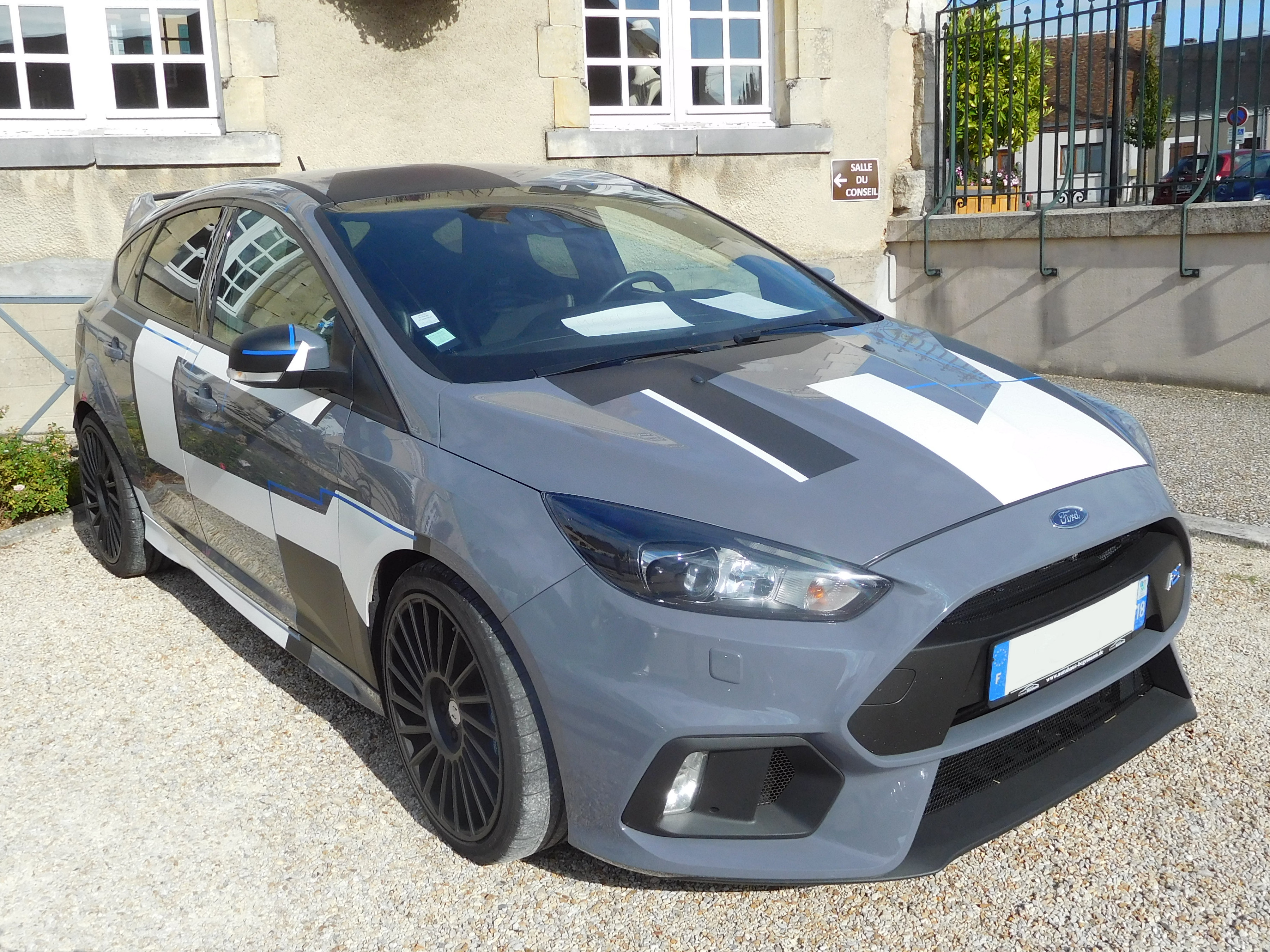
Factory Boosted Platforms: Subaru WRX STI, Ford Focus RS, Audi S4