What is Kyusha? | Revv.ly Glossary
Revv.ly Glossary
Japanese term for "old car," referring specifically to vintage Japanese vehicles from the 1960s-1980s and the culture surrounding their preservation and modification.
What is Kyusha?
Close your eyes and imagine Tokyo in 1973. Showa-era architecture lines narrow streets. Fuel crisis be damned, young men pilot their Hakosukas and Kenmeri Skylines through mountain passes, chasing something more than speed--chasing feeling. Kyusha is the preservation of that moment, frozen in amber and polished every weekend.
The word translates simply: "kyu" means old, "sha" means car. But kyusha is so much more than old Japanese cars. It's a philosophy of authentic restoration, period-correct modification, and reverent ownership. Where American hot rodders might cut and channel a '32 Ford into something new, kyusha enthusiasts seek to perfect what was, not reimagine what could be.
The Era of Worship
Kyusha typically refers to Japanese vehicles from the 1960s through the mid-1980s. This was Japan's automotive golden age--the years when Japanese manufacturers found their voices and began building cars with genuine sporting character rather than mere economical transport.
The sacred machines include:
- Nissan Skyline -- The Hakosuka (C10, 1968-72) and Kenmeri (C110, 1972-77) generations define the movement
- Datsun 240Z/260Z/280Z -- The S30 chassis that conquered America and racing alike
- Toyota 2000GT -- The Bond car, the impossible beauty, the Japanese E-Type
- Toyota Celica -- Early liftbacks with characterful charm
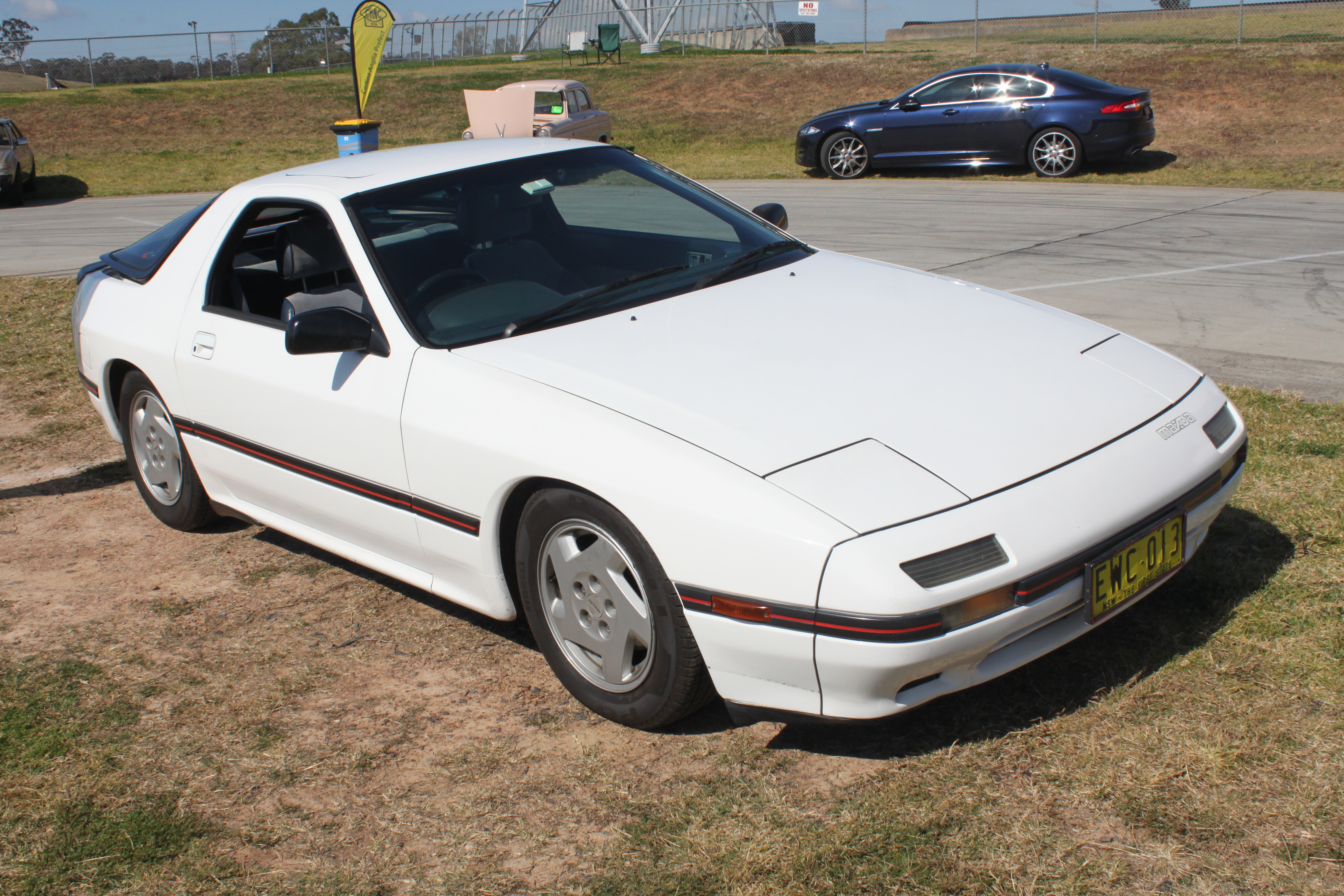
- Mazda RX-3/RX-7 -- Rotary soul in compact form
- Honda S600/S800 -- Tiny roadsters revving to motorcycle heights
The Kyusha Aesthetic
Period correctness matters deeply. A proper kyusha build might include:
Original Wheels or Accurate Reproductions -- Watanabe RS8s, SSR MK-IIIs, Hayashi Streets. These rolling sculptures define the era's look.
Fender Mirrors -- Before aerodynamics drove mirrors door-mounted, Japanese cars wore them on their fenders. Keeping or restoring these marks commitment to authenticity.
Appropriate Modifications -- What would a discerning owner have done in 1975? Period tuning parts from OS Giken, Tomei, Trust. Rally lights. Subtle fender work. Nothing that couldn't have existed then.
Shakotan Stance -- Lowered ride height is acceptable--encouraged even--but through period-appropriate means. Cut springs or early coilovers, not modern air ride.
The Culture of Care
Kyusha ownership is a relationship, not a transaction. These cars demand attention. Carburetors need tuning. Points need setting. Parts need sourcing from increasingly sparse supplies. Owners become experts in their specific vehicles, developing relationships with specialized shops and fellow enthusiasts who understand the particular needs of an L-series or 18R-G engine.
Weekend gatherings happen at parking areas across Japan--Daikoku, Tatsumi, Mikuni--where kyusha owners congregate to admire each other's preservation work. The cars arrive detailed to perfection, engine bays clean enough for surgery, interiors original down to the fading velour.
Modern Preservation
As these cars age beyond 50 years old, preservation becomes increasingly urgent. Japanese road taxes and inspection requirements historically pushed old cars to early graves, making survivors rare. The global collector market has noticed--Hakosuka GT-Rs now command six-figure prices. Even humble Datsun 510s fetch multiples of their original value.
This has created tension within the community. Purists worry that speculation prices are locking out younger enthusiasts. But it's also funding restoration of cars that might otherwise have rusted away, and bringing attention to Japanese automotive heritage that was long overlooked.
The Revvly community connects kyusha enthusiasts across generations and continents, sharing restoration tips and celebrating the cars that shaped Japanese car culture.
Related: JDM, Bosozoku, Shakotan, OEM
Classic Kyusha Platforms: Nissan Skyline C10, Datsun 240Z, Toyota Celica A20