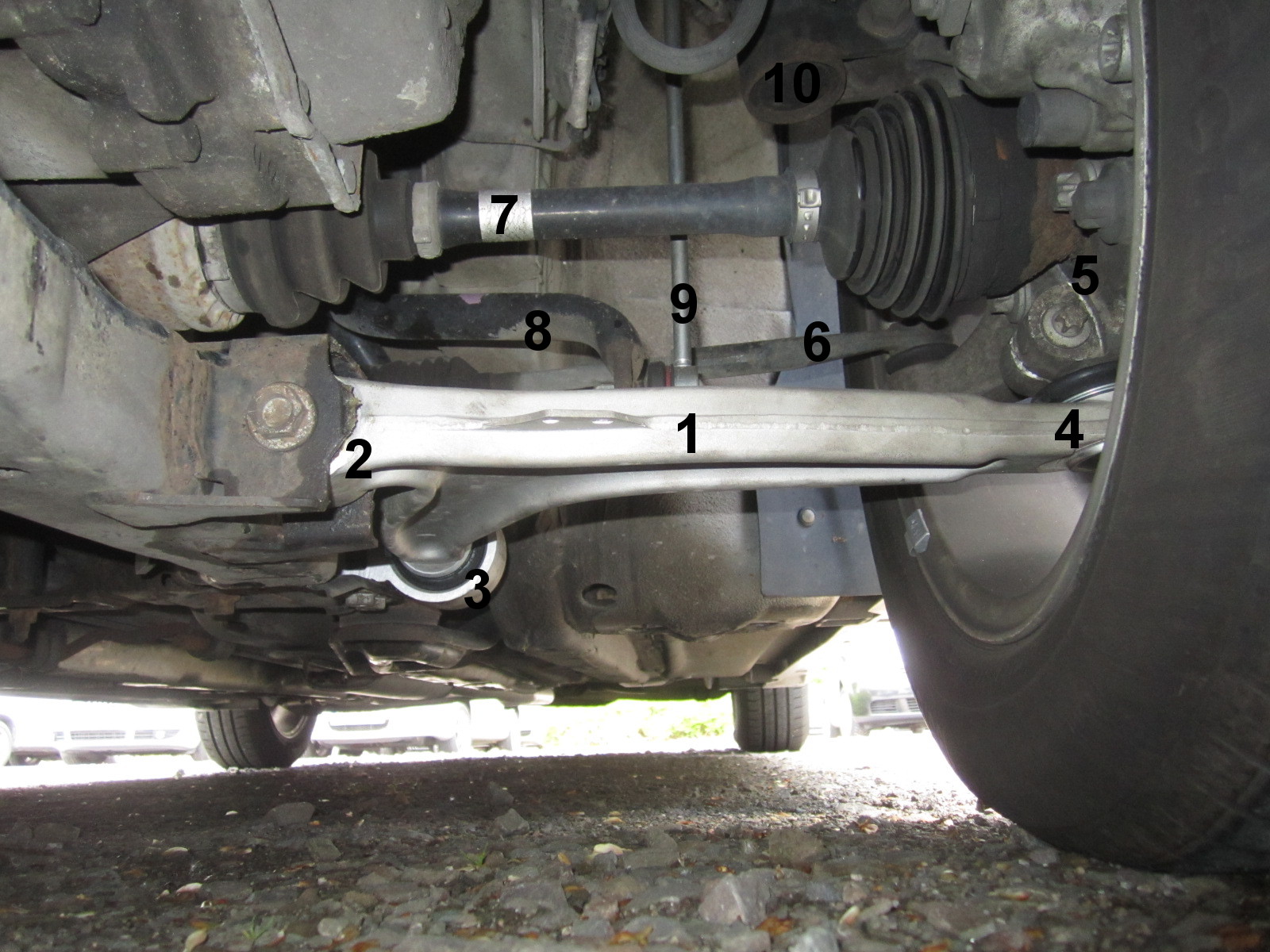
What is a Subframe? | Revv.ly Glossary
Revv.ly Glossary
A structural framework that mounts major components like the engine, transmission, or rear suspension to the vehicle's body.
What is a Subframe?
I should start by clarifying terminology, because "subframe" is one of those words that gets used somewhat loosely in automotive circles. Technically speaking, a subframe is a structural framework that mounts to the main vehicle body or chassis and supports specific components--typically the engine and transmission, or the suspension assembly. It's subordinate to the main frame, hence "sub."
The subframe concept became common with the rise of unibody construction. When vehicles stopped using separate body-on-frame construction, engineers needed ways to isolate vibration, simplify assembly, and maintain structural rigidity without full-length rails. Subframes solved these problems elegantly.
What Subframes Do
Subframes serve several important functions:
Component Mounting -- Engine subframes (also called "front subframes" or "engine cradles") support the engine, transmission, and often the front suspension control arm mounting points. Rear subframes support the rear suspension assembly.
Isolation -- Subframes typically mount to the body through rubber bushings, isolating the cabin from engine vibration and road noise. The subframe absorbs and damps forces that would otherwise transmit directly into the passenger compartment.
Structural Rigidity -- By connecting multiple mounting points, subframes add structural stiffness to the surrounding area. The front subframe, for instance, ties together the strut towers, frame rails, and engine mounts into a unified structure.
Crash Management -- In frontal collisions, subframes can be designed to deform in controlled ways, absorbing energy and protecting the passenger cell. They may also drop away from the body in severe impacts, preventing engine intrusion.
Types of Subframes
Front/Engine Subframe -- The most common reference. This rectangular or H-shaped structure supports the engine and often provides lower control arm and steering rack mounting points. On front-wheel-drive vehicles, it's a crucial structural element.
Rear Subframe -- Supports the rear suspension assembly. Common on independent rear suspension vehicles, where control arms, differential, and sometimes axles mount to this structure.
K-Frame -- A K-shaped subframe design that provides structural rigidity while allowing engine/transmission removal from below.
Cradle -- Another term for engine subframe, particularly when it fully supports the powertrain from below.
Why Enthusiasts Care
Subframes matter for several modification-related reasons:
Suspension Geometry -- Control arm mounting points on subframes define suspension geometry. Lowering a car can change the relationship between body and subframe, affecting these geometry points.
Subframe Bushings -- Factory rubber bushings in subframe mounts compress and allow some movement. Performance bushings (polyurethane or spherical) reduce this movement, improving precision at the cost of increased NVH.
Subframe Reinforcement -- Some vehicles are known for subframe mounting point failures, particularly under hard use. Reinforcement plates weld to the body, spreading loads across larger areas.
Engine Swaps -- Major engine swaps often require subframe modifications or replacements to accommodate different powertrain dimensions and mounting points.
Common Issues
Certain problems afflict subframes:
Rust -- Being underneath the vehicle, subframes are exposed to road debris, salt, and moisture. Rust weakens structural integrity.
Bushing Deterioration -- Rubber bushings age and crack, increasing play and affecting handling precision.
Mounting Point Failure -- On some vehicles (certain BMW E36/E46 models are infamous), the subframe mounting points can crack away from the body structure under stress.
Impact Damage -- Running over debris or striking objects can bend or damage subframes.
Inspection and Maintenance
Subframes deserve attention during maintenance:
- Visual inspection for rust, cracks, or damage
- Checking bushing condition for deterioration or excessive play
- Examining mounting points for signs of stress or separation
- Verifying bolt torque if components have been removed
The Revvly community includes enthusiasts who understand chassis dynamics--subframes are part of that conversation.
Related: Control Arms, Coilovers, Roll Center
Subframe-Relevant Platforms: BMW E36/E46, Mazda Miata, S-Chassis Nissans
